
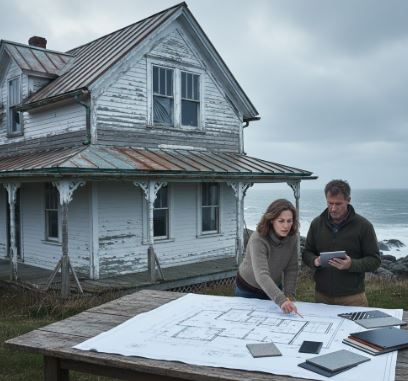
Living in a coastal region like South Florida offers year-round sunshine, ocean breezes, and a relaxed outdoor lifestyle. But while coastal living has its perks, homes near the shoreline face unique environmental challenges that often require more frequent remodeling and maintenance. Whether you live in Fort Lauderdale, Hollywood, Miami, or any nearby coastal city, understanding why your home needs extra care can help you plan smarter, protect your investment, and maintain long-term value.
Why Coastal Homes Need More Frequent Remodeling
1. Salt Air Causes Faster Wear and Tear
Salt in the air is one of the biggest threats to coastal homes. It corrodes metal fixtures, damages outdoor paint, weakens railings, and accelerates rust. Over time, salt exposure shortens the lifespan of windows, doors, hardware, and exterior materials—making regular remodeling and upkeep essential.
2. High Humidity Leads to Mold, Mildew & Structural Issues
South Florida’s persistent humidity creates ideal conditions for mold growth in walls, bathrooms, flooring, and attic spaces. Without proper ventilation and moisture-resistant materials, this can lead to structural damage and costly repairs. Remodeling allows homeowners to upgrade materials, improve airflow, and protect the home from long-term moisture issues.
3. Intense Sun Exposure Fades Surfaces Quickly
UV rays can cause fading, cracking, and discoloration of paint, flooring, trim, and outdoor furniture. Coastal homes often need repainting, refinishing, and updated materials to maintain curb appeal and interior brightness.
4. Strong Winds & Storms Impact Exterior Structures
Even on calm days, coastal winds can gradually weaken roofing, siding, windows, and seals. During storm season, these areas become even more vulnerable. Remodeling helps reinforce your home with stronger, hurricane-ready materials.
5. Outdated Materials Aren’t Built for Coastal Conditions
Older homes in Broward and Miami-Dade counties often have materials that weren’t designed for salt, sun, and heavy storms. Modern remodeling upgrades—such as impact windows, waterproof flooring, and composite siding—significantly improve lifespan and safety.
How to Plan Your Coastal Home Remodel the Right Way
1. Use Coastal-Resistant Materials
Choose materials that stand up to salt, heat, wind, and moisture, such as:
- Impact-resistant windows and doors
- Fiber-cement or composite siding
- Waterproof luxury vinyl plank (LVP)
- Corrosion-resistant hardware
- UV-resistant exterior paint
These upgrades reduce long-term maintenance and protect your home year-round.
2. Prioritize a Professional Home Inspection
An inspection can reveal problems like moisture intrusion, roof weaknesses, foundation settlement, or rusting fasteners. This gives you a clear roadmap for remodeling and prevents costly surprises later.
3. Create a Remodeling Plan That Fits Your Lifestyle
Focus on high-impact spaces such as kitchens, bathrooms, and outdoor living areas. Coastal homeowners often remodel these areas to stand up to moisture while improving comfort and resale value.
4. Make Storm-Readiness Part of Your Design
In South Florida, storm protection is non-negotiable. Consider adding:
- Hurricane straps
- Impact windows
- Reinforced roofing
- Flood-resistant materials
- Elevated outdoor structures
These upgrades not only protect your home—but can also reduce insurance costs.
5. Work With an Experienced Coastal Remodeling Contractor
Coastal remodeling requires specialized knowledge about local climate challenges, building codes, and material durability. A local South Florida contractor understands what your home needs to stay strong, efficient, and beautiful for years.
Coastal homes provide unmatched beauty and lifestyle benefits—but they also require extra maintenance to stay safe and comfortable. By using the right materials, planning ahead, and partnering with a trusted South Florida remodeling contractor, you can protect your home from the coastal elements and enjoy lasting value.